How We Express Ourselves
Observing and Representing Nature Through Art
How we express ourselves
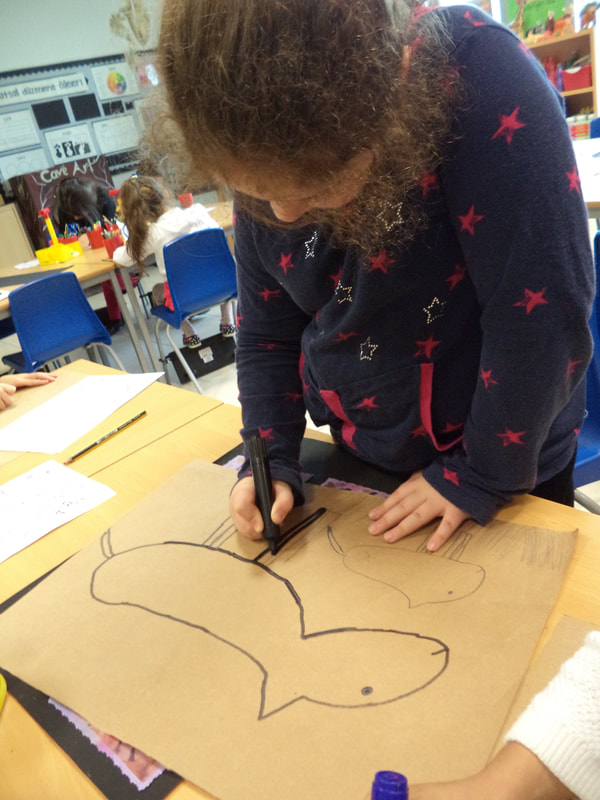
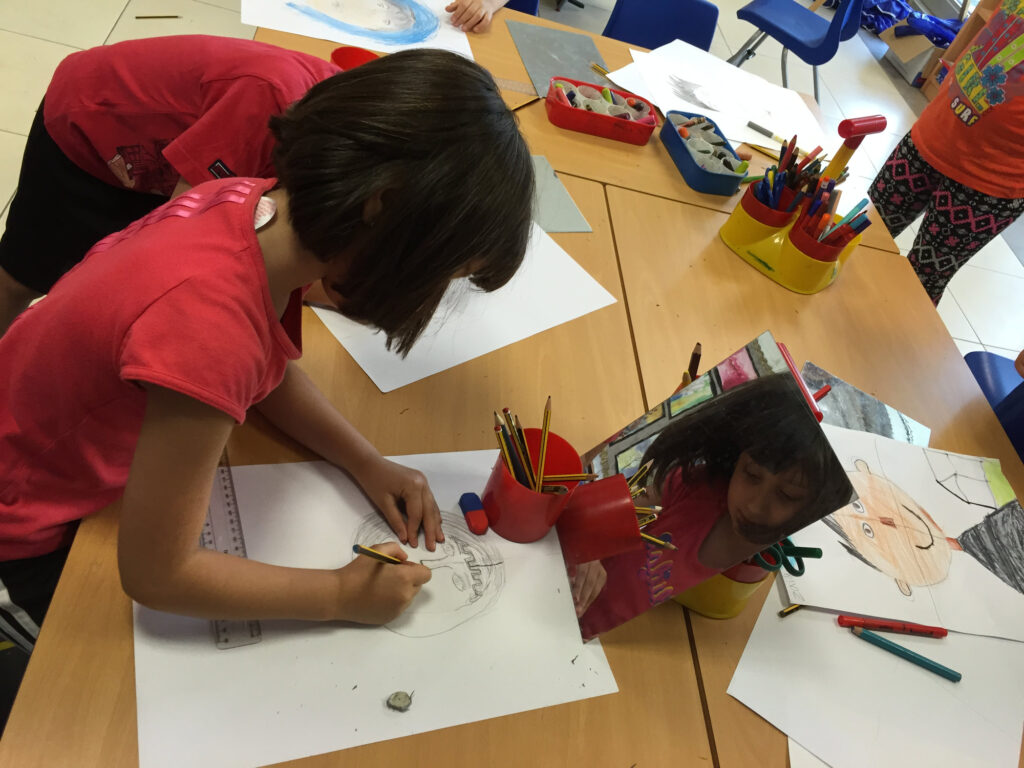
In our How the World Works unit, we explored how art can help us represent the beauty and diversity of nature and animal features. Our central idea—We can use a variety of artistic techniques and materials to represent nature and animal features—guided our inquiry as students delved into the relationship between the elements of art and the natural world.
Our exploration began with three key questions:
• How can we use the elements of art to make realistic representations of environments?
• What effects can we create by using different media?
• How do artists use techniques to represent nature, and how can we connect to those techniques?
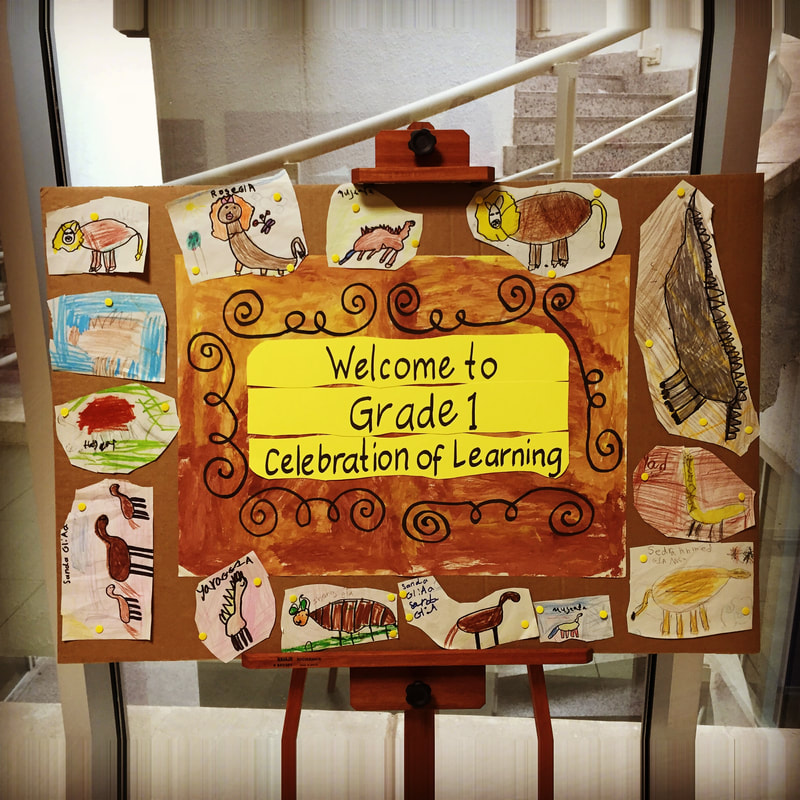
To bring this inquiry to life, we visited the Erbil Zoo, where students observed a variety of animals in their naturalistic habitats. This hands-on experience allowed them to focus on the unique features, patterns, and textures of different animals, fostering a deeper understanding of how nature can inspire artistic expression.
Equipped with sketchbooks, students engaged in observational drawing, a key part of the lesson. As they observed animals, they paid close attention to details such as the intricate patterns on a zebra’s stripes, the textured scales of reptiles, or the delicate feathers of birds. This exercise helped them appreciate the complexity and diversity of animal features, while honing their skills in capturing realism through art.


Where we are in place and time
Exploring Art and History Through Time
Where we are in place and time
In our integrated unit, Where We Are in Place and Time, we embarked on a fascinating journey into the history of art, exploring how learning about previous generations helps us understand the relationship between the past and the present. Our inquiry focused on discovering the rich heritage of art and how it has changed and evolved over time.
We began by posing some thought-provoking questions to the students:
• Who are the people from our previous generations?
• How do we find out about the past, and how did people make art back then?
• What was art used for in ancient times, and what can we learn from it today?
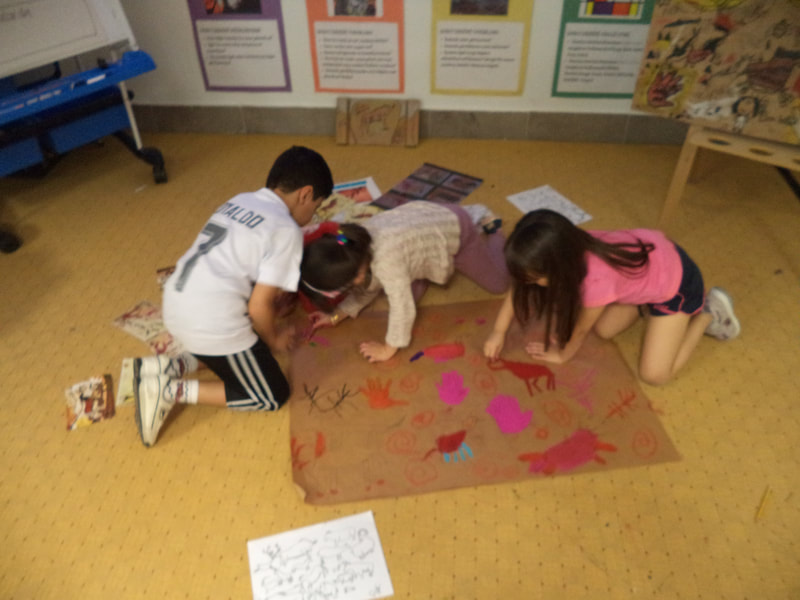
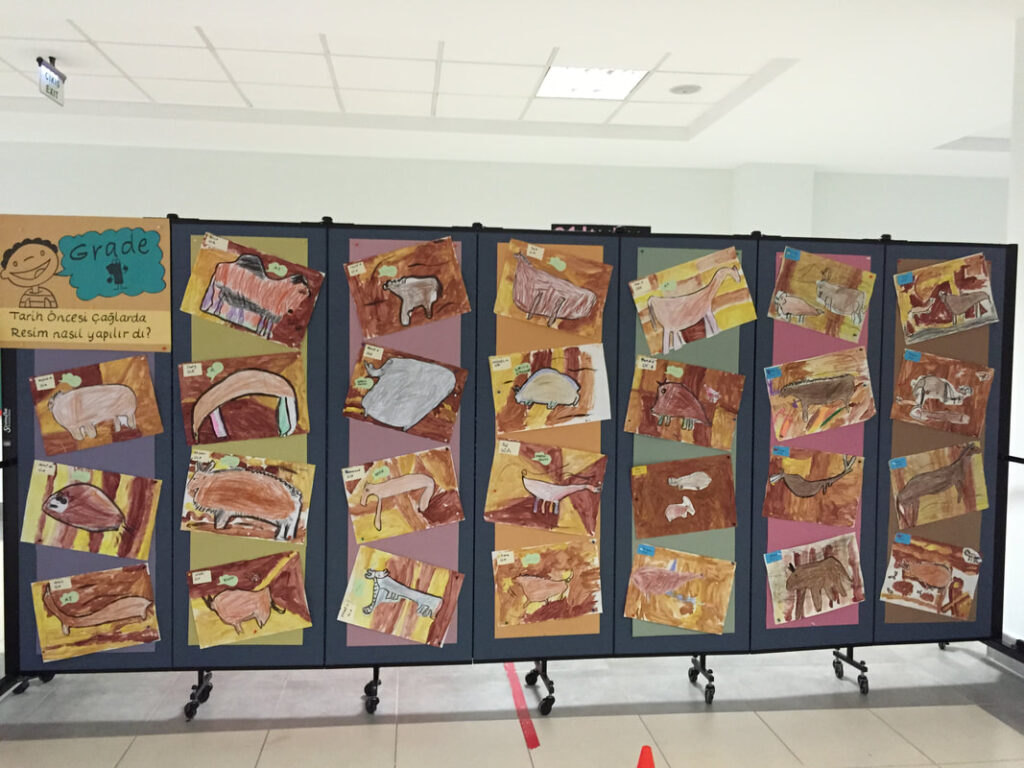
These inquiries opened up a world of wonder as we introduced the students to examples of prehistoric art, including ancient cave paintings and relief sculptures. Together, we discussed the materials, techniques, and subject matter that early cave dwellers used to express themselves through art. Students learned that ancient people used “earth colors” such as ochre, charcoal, and clay pigments to create vibrant and meaningful depictions of their lives and surroundings.
Our students’ curiosity deepened as they considered how art was not only a form of expression but also a tool for communication. We talked about how people used art to convey their experiences, beliefs, and stories long before written language existed. They began to grasp the timeless connection between art and human expression.
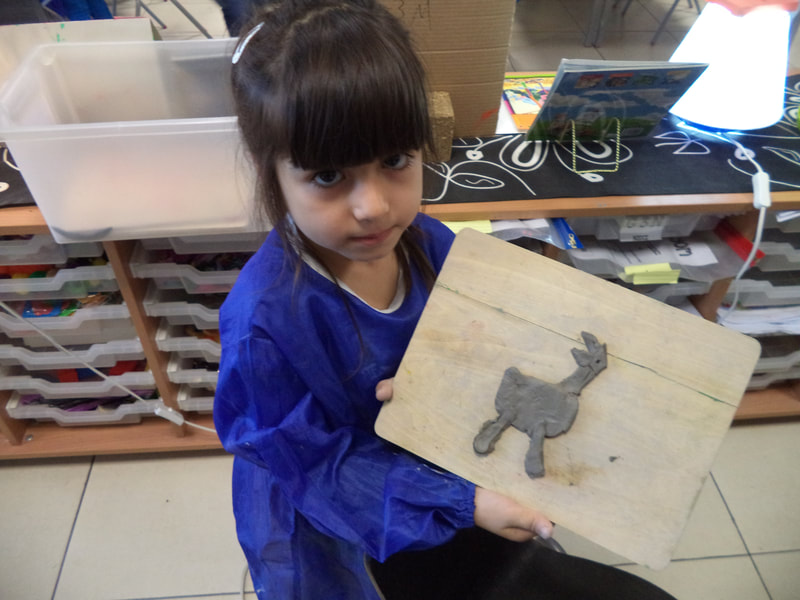
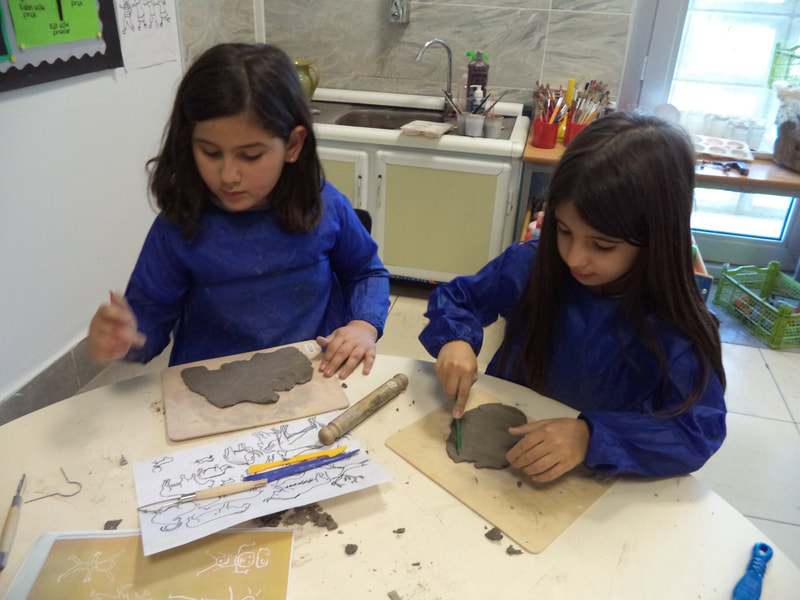
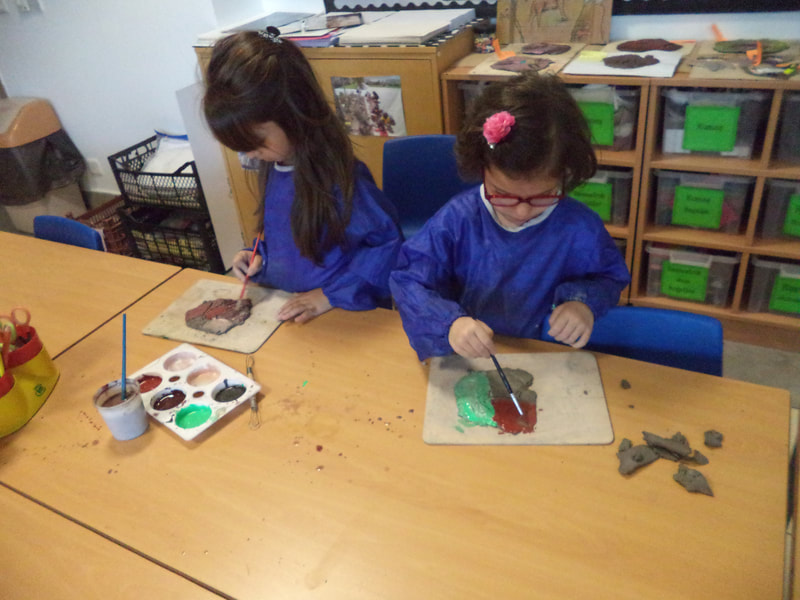
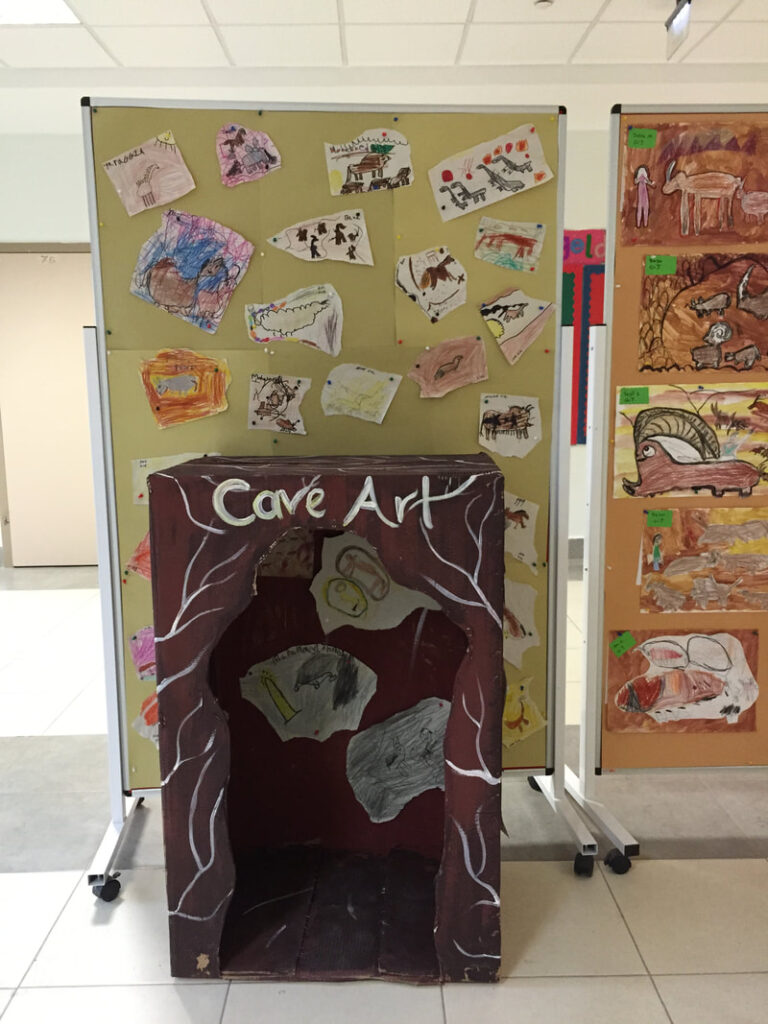
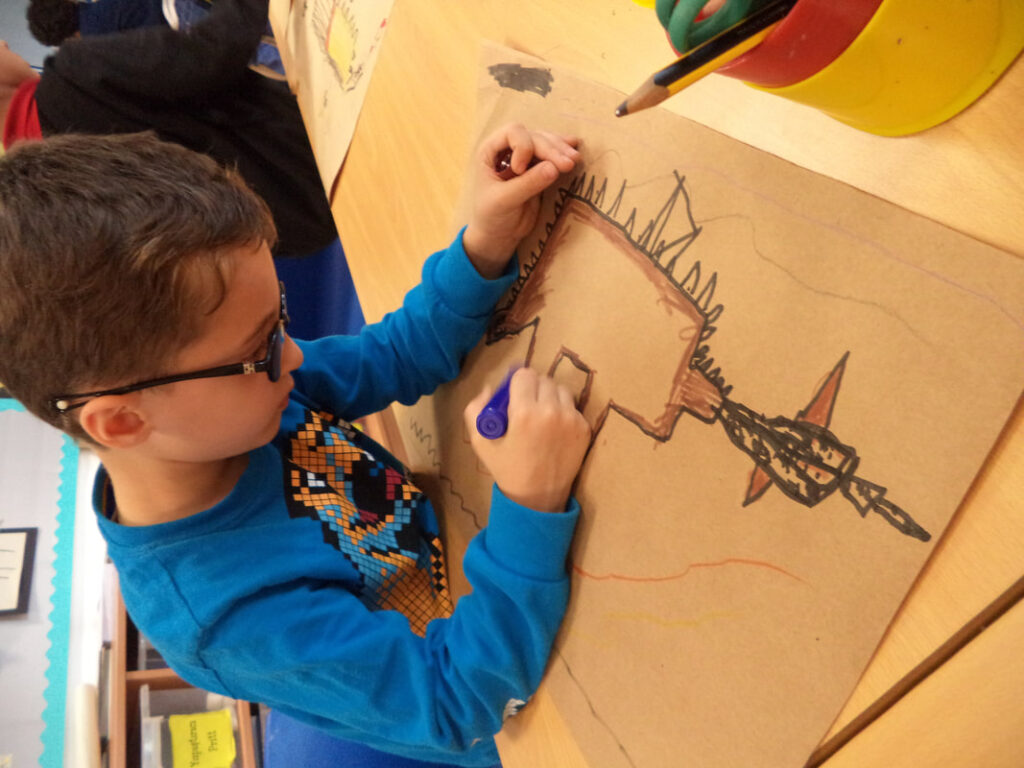
The lesson culminated in a hands-on project where students had the opportunity to create their own cave paintings and relief sculptures in the form of a diorama. Working with earth tones and natural materials, they connected with ancient artistic traditions, gaining a tactile understanding of how early humans worked with the resources around them.
This exploration of art history helped our young learners appreciate how much we can learn from the past, and how art continues to be a vital means of interaction and communication across generations. As they reflected on their creations, students began to see the link between ancient art forms and the modern world—a powerful reminder of the enduring influence of our artistic ancestors.
Our inquiry into the history of art has sparked a deeper understanding of the changes and continuities between the past and present. As we continue this journey, students are eager to explore more about how art evolves and how it shapes the world we live in today.