Observing and Representing Nature Through Art
How the World Works
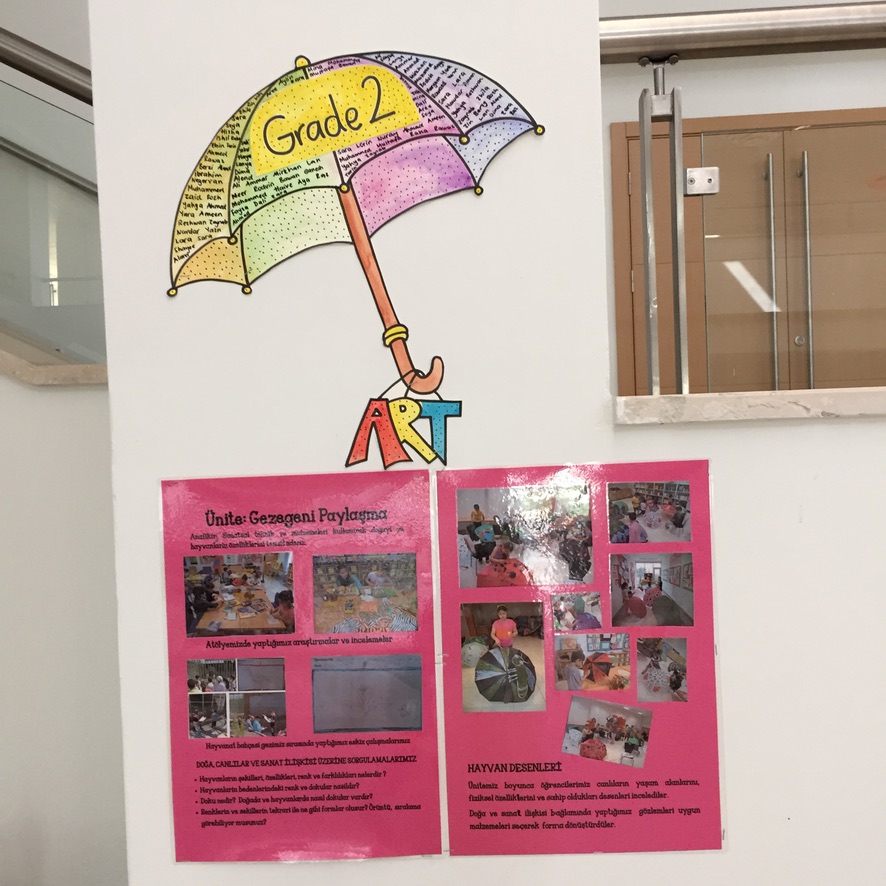
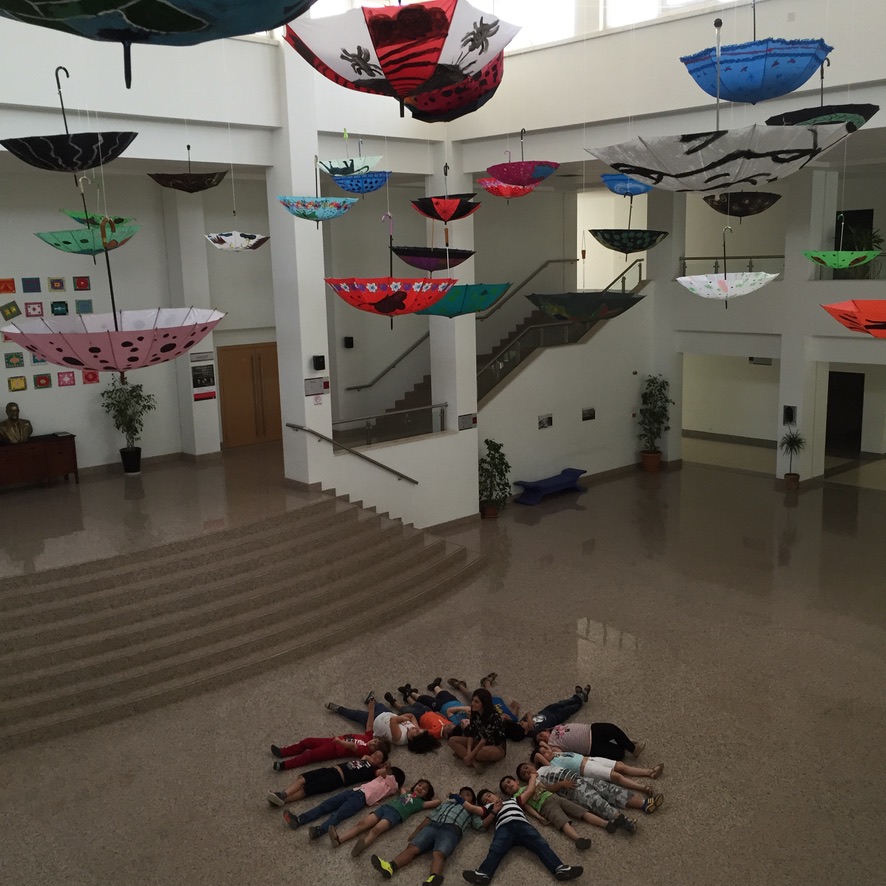
In our How the World Works unit, we explored how art can help us represent the beauty and diversity of nature and animal features. Our central idea—We can use a variety of artistic techniques and materials to represent nature and animal features—guided our inquiry as students delved into the relationship between the elements of art and the natural world.
Our exploration began with three key questions:
• How can we use the elements of art to make realistic representations of environments?
• What effects can we create by using different media?
• How do artists use techniques to represent nature, and how can we connect to those techniques?
To bring this inquiry to life, we visited the Erbil Zoo, where students observed a variety of animals in their naturalistic habitats. This hands-on experience allowed them to focus on the unique features, patterns, and textures of different animals, fostering a deeper understanding of how nature can inspire artistic expression.
Equipped with sketchbooks, students engaged in observational drawing, a key part of the lesson. As they observed animals, they paid close attention to details such as the intricate patterns on a zebra’s stripes, the textured scales of reptiles, or the delicate feathers of birds. This exercise helped them appreciate the complexity and diversity of animal features, while honing their skills in capturing realism through art.